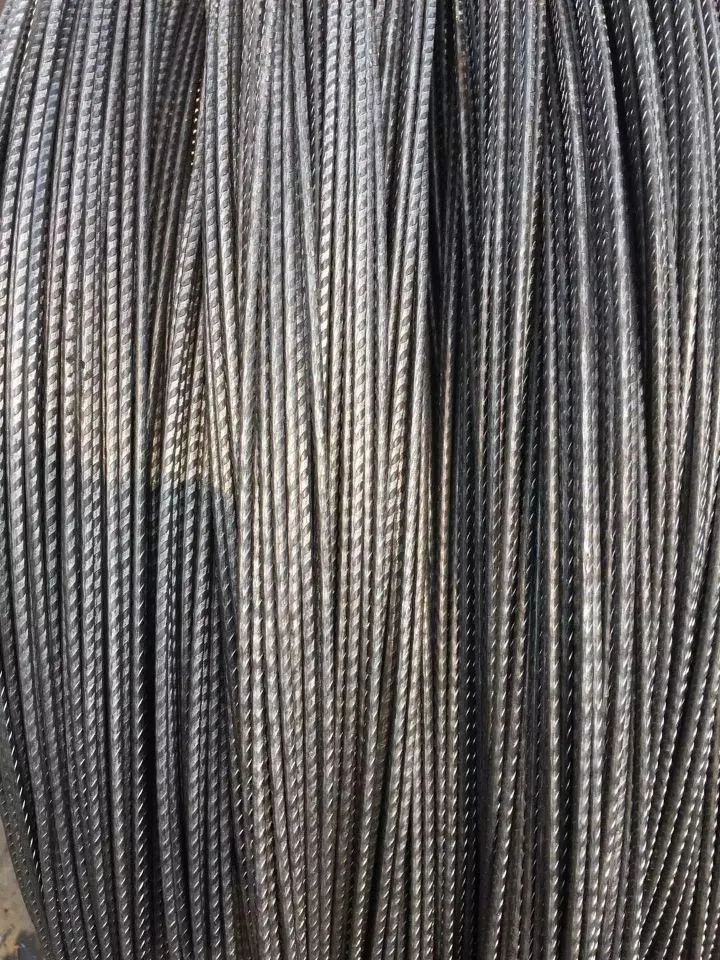
Two ASTM International specifications dominate carbon-steel reinforcing bar in North America. ASTM A615/A615M is the general-purpose standard; ASTM A706/A706M is the low-alloy, controlled-chemistry standard written for weldability and seismic performance. The difference is chemistry, and it decides where each can be used.
A615 vs A706 at a glance
| ASTM A615 | ASTM A706 | |
|---|---|---|
| Purpose | General reinforcement | Weldable, seismic |
| Chemistry limits | Phosphorus only | C, Mn, P, S, Si + carbon-equivalent cap |
| Reliably weldable | No | Yes |
| Seismic ductility | Not required | Yes |
| Relative cost | Lower | Higher |
| Specify when | Neither welding nor seismic applies | Seismic zone, or rebar will be welded |
Because A706 caps carbon, manganese, phosphorus, sulfur and silicon plus a carbon-equivalent value, the bar can be welded without cracking and can deform ductilely under seismic load. A615 limits phosphorus only, which is why it is harder to weld reliably. Many drawings simply call up "A706 where welding or seismic detailing is required, A615 otherwise."
The accessories still have their own specs
Whichever bar grade a project uses, the tie wire, bar ties, chairs and mesh around it still have to meet their own specifications. Leeter supplies black-annealed and galvanized tie wire, welded mesh to ASTM A1064 and rebar supports matched to the specified cover — send your drawing and we will match the accessories.