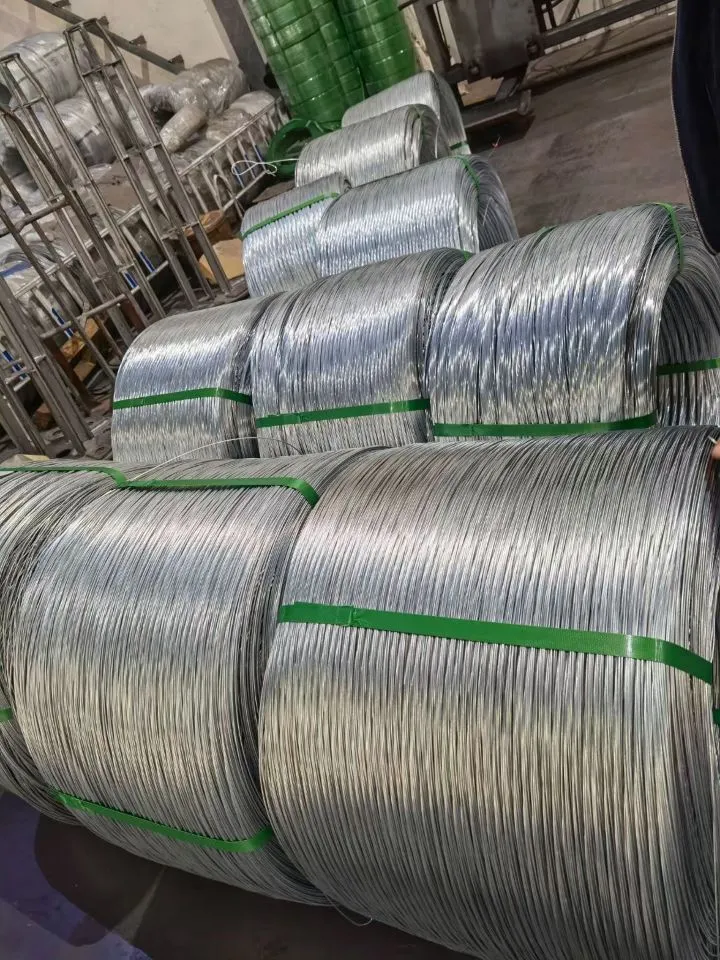
Hot-dip galvanizing — dipping steel in molten zinc — is governed in North America by two ASTM International specifications, and buyers often confuse which one applies to which product. The short version: A123 is for the steel products, A153 is for the hardware.
Which standard covers what
| Standard | Covers |
|---|---|
| ASTM A123/A123M | Zinc coating on iron & steel products — structural shapes, strip, plate, pipe, wire, reinforcing bar |
| ASTM A153/A153M | Hardware & fasteners centrifuged / spun to remove excess zinc after dipping |
Thickness is a minimum, and it sets the life
The coating thicknesses in A123 and A153 are minimums — the specification sets no maximum. And per the American Galvanizers Association, in atmospheric exposure the time to first maintenance of galvanized steel is directly proportional to coating thickness. Thicker zinc means longer corrosion life.
So when comparing galvanized wire, mesh, fasteners or fence framework, the coating specification — the grade or mass of zinc — matters as much as the base steel. A cheaper item with a thin or electro-galvanized coating will not last like a hot-dip coating to A123 / A153.
How Leeter can help
Leeter supplies hot-dip and electro-galvanized wire, mesh, fasteners and fencing, and can quote to the A123 / A153 coating grade your market requires, with mill test reports confirming the zinc coating. Tell us your corrosion environment and we will match the finish.