What is a T-post and why does finish matter
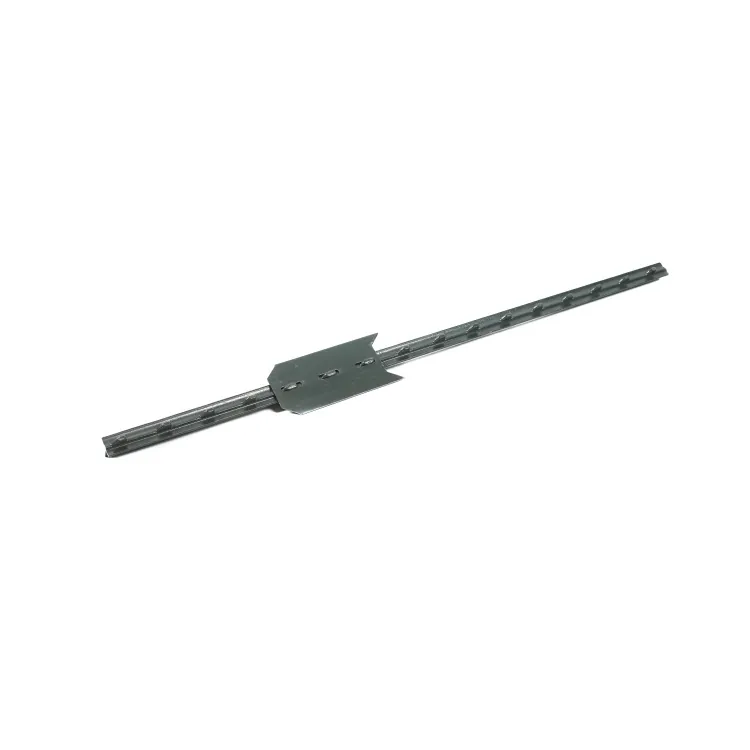
A T-post is a rolled-steel fence stake shaped like the letter T in cross-section, with a studded face and an anchor plate near the base. The finish, whatever coating sits on that raw steel, is the single biggest factor in how long the post survives outdoors. Bare steel rusts fast once the mill scale breaks. Coatings buy years by keeping oxygen and water away from the metal.
Two families dominate the market: painted and galvanized. Painted posts carry a baked-on enamel, usually green, over the length of the rail. Galvanized posts carry a zinc layer bonded to the steel, either applied to the finished post or to the steel coil before rolling. Each protects differently, and each ages differently. Understanding that difference saves you from replacing a fence line years earlier than you planned.
Our T-posts ship in both finishes, and buyers regularly ask which one is worth the extra money. The honest answer depends on where the fence goes.
What finish options exist for T-posts
There are three common finishes, and the boundaries between them matter. Painted, hot-dip galvanized, and pre-galvanized posts each behave differently in the ground, so knowing what you are actually buying prevents surprises three or five years down the line.
Painted (baked-enamel) T-posts
Painted T-posts are the standard product across farm-supply channels. Raw steel is rolled into the T-shape, then coated with a baked enamel, typically a green or gray paint cured under heat for a tough, uniform skin. The paint resists scuffing during handling and gives the studded face a clean, consistent look.
Most painted posts include one important detail: a galvanized anchor spade welded or clinched near the base. That spade sits at the soil line, where corrosion attacks hardest, so galvanizing it adds protection exactly where painted steel would fail first. The rail above ground stays painted. This hybrid design keeps the price low while shielding the most vulnerable zone.
Hot-dip galvanized T-posts
Hot-dip galvanized posts are dipped, whole, into molten zinc after forming. The zinc bonds metallurgically to the steel and coats every surface, including cut edges, studs, and the anchor. This produces the thickest, most durable zinc layer of any common finish, which is why hot-dip posts are the go-to for harsh environments.
The trade-off is cost and appearance. Hot-dip posts carry the familiar spangled, matte-gray zinc look rather than a painted color, and they sit at the top of the price range. For fences that must last decades in punishing conditions, though, the extra zinc pays for itself.
Pre-galvanized T-posts
Pre-galvanized posts start from steel coil that was zinc-coated before rolling. The forming process then cuts and stamps the post, exposing small raw edges the coil coating never reached. Zinc thickness is generally thinner than hot-dip, so corrosion life falls between painted and hot-dip posts. Pre-galvanized sits in the middle: better than paint, lighter and cheaper than full hot-dip.
Which finish lasts longer against corrosion
Galvanized T-posts last longer than painted ones in almost every wet or corrosive setting, and the reason is how each coating fails. Zinc protects steel two ways: it forms a physical barrier, and it sacrifices itself electrochemically, corroding in place of the steel even where the coating is scratched. Paint only forms a barrier. Once paint chips, cracks, or wears through, bare steel is exposed and rust spreads underneath the film.
Think about where a fence post actually corrodes. The soil line takes the worst punishment, cycling between wet and dry, holding moisture, and concentrating salts and fertilizers. A painted rail scratched during driving, then buried in damp ground, starts rusting at that scratch. That is exactly why painted posts include a galvanized anchor spade: the spade defends the buried zone that paint cannot.
Galvanized zinc keeps working even when scratched. Nick the surface driving a hot-dip post, and the surrounding zinc still shields the exposed steel. This self-healing behavior is the core reason galvanized posts win long-term corrosion battles, especially underground and at the ground line.
In our export experience, the failure point on painted posts is rarely the visible rail, it is the hidden ground-line band where paint meets soil. Buyers who inspect only the above-ground rail often underestimate how far corrosion has progressed below the surface.
How environment changes the timeline
Climate drives everything. In a dry inland pasture with low rainfall, a quality painted post can serve well for many years because the steel simply stays dry most of the time. Move that same post to a humid coastal fence line, add salt spray, and the paint film is fighting a losing battle at every chip and scratch.
Fertilizer and manure runoff accelerate corrosion too. Farmyards, feedlots, and irrigated fields expose posts to chemistry that eats steel faster than plain rain. In those settings, the thicker the zinc, the longer the post survives.
How do galvanized and painted T-posts compare on cost and appearance
Painted T-posts cost less than galvanized, which is why they dominate general-purpose fencing, while galvanized posts command a premium justified by longer service in tough conditions. The price gap reflects material and process: zinc is an added raw material, and hot-dip galvanizing is an extra manufacturing step after forming.
Appearance splits along function too. Painted posts offer a uniform green or gray that blends into vegetation and looks tidy on a finished fence line. Galvanized posts wear the spangled gray of zinc, which many buyers read as industrial and rugged. Neither is right or wrong; it comes down to the look you want and how long you need it to last.
Here is a side-by-side comparison of the three common finishes.
| Factor | Painted (baked-enamel) | Pre-galvanized | Hot-dip galvanized |
|---|---|---|---|
| Coating | Baked enamel over steel | Zinc-coated coil, thinner | Thick zinc, dipped whole |
| Corrosion life | Shortest in wet ground | Moderate | Longest |
| Anchor protection | Galvanized spade added | Zinc coil coating | Fully zinc-coated |
| Up-front cost | Lowest | Middle | Highest |
| Appearance | Uniform green/gray | Matte gray | Spangled gray |
| Best fit | Dry to moderate climates | Mixed conditions | Wet, coastal, corrosive sites |
The table simplifies real-world variation, since paint thickness, zinc weight, and steel grade all shift the numbers. Still, the ranking holds: paint is cheapest and shortest-lived, hot-dip is priciest and longest-lived, and pre-galvanized sits between them.
Total cost over the fence's life
Up-front price tells only part of the story. A cheaper painted post that needs replacing sooner can cost more over a 20-year fence life once you count new posts plus the labor to pull and re-drive them. On a long or remote fence line, that labor is the expensive part.
We often tell buyers to weigh replacement labor, not just post price. If access is easy and the climate is dry, painted posts make sound economic sense. If the fence sits somewhere corrosive or hard to reach, paying more for galvanized once beats paying for labor twice.
How to choose the right T-post finish for your site
Match the finish to your environment, budget, and expected fence life, in that order. Start with the site: how wet, how salty, how chemically loaded is the ground? That single question narrows the choice faster than any other factor, because corrosion exposure dictates how hard the coating must work.
Use these guidelines as a starting point:
- Dry to moderate inland climates, general fencing: painted (baked-enamel) posts with a galvanized anchor spade give the best value. The dry ground limits corrosion, and the spade guards the soil line.
- Mixed or seasonally wet conditions: pre-galvanized posts add corrosion margin without the full hot-dip price, a sensible middle ground for variable weather.
- Coastal, humid, irrigated, or high-fertilizer sites: hot-dip galvanized posts are worth the premium. Salt and chemistry punish paint, and thick zinc lasts far longer.
- Long-life or hard-to-access fences: lean galvanized regardless of climate, because replacement labor dwarfs the coating cost difference.
- Appearance-sensitive boundaries: painted posts blend into landscaping; galvanized reads industrial. Choose by the look you want to keep.
Also weigh how you drive the posts. Rough driving through rocky ground scratches any coating. Galvanized recovers from scratches; paint does not, so abusive installation conditions tilt the decision toward zinc.
If you are unsure which finish fits your project, tell us your climate, soil, and fence life target, and we will recommend a spec. You can request a quote with those details and we will match posts to your conditions rather than upselling coating you do not need.
Frequently asked questions
Are painted T-posts galvanized at all?
Most painted T-posts are painted on the rail but include a galvanized anchor spade near the base. The spade sits at the soil line, the most corrosion-prone zone, so galvanizing it protects the critical buried section while the baked enamel covers the above-ground rail. Fully galvanized posts, by contrast, carry zinc over the entire length.
Do galvanized T-posts really last longer than painted ones?
Yes, in wet, humid, coastal, or chemically loaded ground, galvanized posts last longer. Zinc corrodes slowly and sacrifices itself to protect exposed steel even where the surface is scratched. Paint only shields as a barrier, so once it chips or cracks, rust spreads underneath. In dry inland climates the gap narrows and painted posts perform well.
Why are galvanized T-posts more expensive?
Galvanized posts cost more because zinc is an added raw material and hot-dip galvanizing is an extra manufacturing step after the post is formed. That extra zinc buys longer corrosion life, so the premium reflects durability, not markup. Over a long fence life, the higher up-front price can offset the labor cost of replacing shorter-lived painted posts.
What finish is best for coastal or high-humidity fencing?
Hot-dip galvanized T-posts suit coastal and high-humidity fencing best. Salt spray and constant moisture attack painted steel at every chip and scratch, while thick zinc resists that chemistry far longer. For irrigated fields or feedlots with fertilizer and manure runoff, galvanized also outperforms paint, so reserve painted posts for drier, less corrosive ground.
Can I mix painted and galvanized T-posts on one fence?
You can, and buyers sometimes do to control cost, but the finishes age at different rates. Painted posts in a wet stretch will corrode faster than galvanized ones beside them, creating uneven replacement timing. For a uniform-life fence, keep one finish per exposure zone, and reserve galvanized for the wettest or hardest-to-reach sections.
Choosing with confidence
The finish you pick shapes how long your fence stands and how often you rebuild it. Painted T-posts win on price and suit dry-to-moderate climates, especially with their galvanized anchor spade guarding the soil line. Galvanized posts win on corrosion life and earn their premium in wet, coastal, or chemically harsh ground where replacement labor is costly. Pre-galvanized splits the difference for mixed conditions. Weigh your climate, soil, fence life target, and access, then choose the coating that keeps you off the fence line for years. Tell us your site conditions and target service life, and we will spec posts that fit. Request a quote and we will match the right finish to your project.
