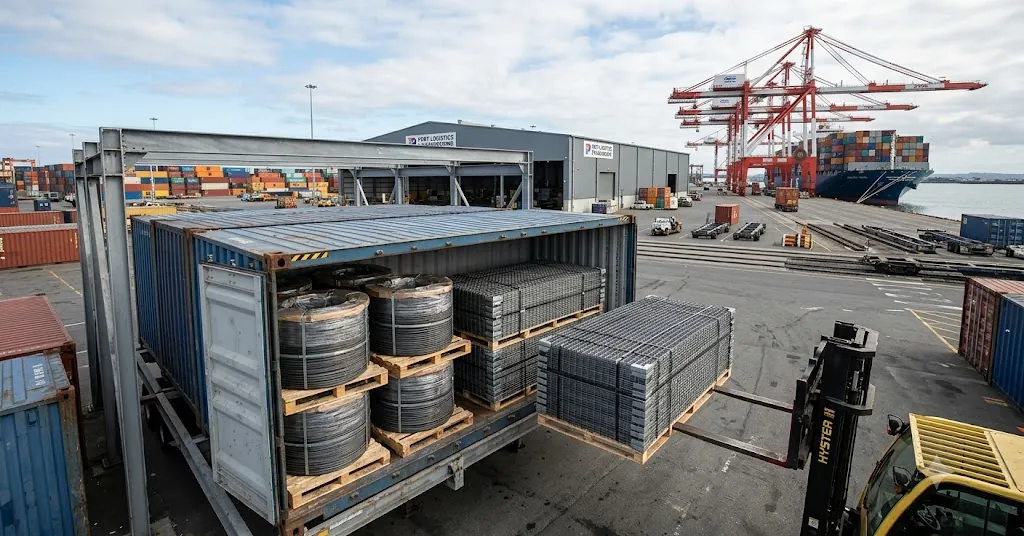
At Hebei Leeter Import and Export Co., Ltd ("Leeter"), we have exported construction hardware from Dingzhou, Hebei since 2006, mostly to North America and Europe. We are a manufacturer, not a customs broker, so we cannot give you a binding duty ruling. What we can do is help you understand how these measures work, why they exist, and the verification steps that keep surprises off your final invoice.
What anti-dumping and countervailing duties actually are
Anti-dumping duties (AD) and countervailing duties (CVD) are two separate trade-remedy tools that governments use to protect domestic industries. They are not the same as ordinary import tariffs, and they are not punishments aimed at buyers. They exist because of trade rules that most major economies have agreed to follow, and they apply to specific products from specific countries, not to everything.
An anti-dumping duty applies when a foreign producer is found to be selling a product in the destination market below its "normal value," often below the price charged at home or below the cost of production. A countervailing duty applies when a foreign producer is found to benefit from certain government subsidies that give it an unfair price advantage. Both are calculated to offset the margin of unfairness that an investigation identifies.
The important detail for buyers is that these duties attach to a product-and-origin combination. A given type of steel wire from one country may face a measure while the same product from another country faces none. That is why origin documentation and correct classification matter so much.
| Concept | What it means for buyers |
|---|---|
| Anti-dumping duty (AD) | Extra duty applied because a product is found to be sold below fair value; raises your landed cost on affected items. |
| Countervailing duty (CVD) | Extra duty applied to offset foreign government subsidies; can stack on top of AD on the same product. |
| Scope | The precise product description a measure covers; small spec differences can put you inside or outside it. |
| Country of origin | Where the goods were actually made, not where they shipped from; determines whether a measure applies. |
| HS code | The tariff classification that customs uses to match your goods to any active measure. |
| Cash deposit rate | The provisional amount collected at entry, which may differ from the final assessed rate later. |
Why do these duties exist in the first place?
Governments introduce AD and CVD measures to keep domestic manufacturing viable when they conclude that foreign pricing or subsidies have caused real harm. The logic is straightforward: if imported goods sell below fair value, local producers can lose orders, cut jobs, or shut down. Trade-remedy law gives those producers a legal path to request an investigation.
The process usually starts when a domestic industry files a petition. An investigating authority then studies pricing, cost, subsidy, and injury data over a defined period. If it finds both unfair pricing (or subsidies) and material injury, it imposes a duty. Steel and steel-derived products have been frequent subjects of these cases worldwide, partly because steel is traded in huge volumes and margins are thin.
For a buyer, none of this implies wrongdoing on your part. You are simply purchasing a product that happens to sit inside a regulated category. Your job is not to argue the policy. Your job is to know whether a measure touches your specific goods and to budget for it accurately.
How do these duties affect your landed cost?
Trade-remedy duties can change your total landed cost dramatically because they are charged on top of the normal tariff, freight, insurance, and handling. Ordinary duty on many construction hardware lines is modest. An anti-dumping or countervailing duty, when it applies, can be a large percentage of the customs value, so it may dwarf every other line item in your cost model.
Think of your landed cost as a stack. At the bottom sits the product price you negotiate with the factory. On top of that go ocean or rail freight, insurance, port fees, brokerage, and the standard import tariff. If an AD or CVD measure applies, it becomes another layer, and it is assessed on the customs value of the goods. Because it is percentage-based, higher-value shipments carry higher absolute exposure.
Two practical points follow from this. First, a product that looks cheap at the factory gate can end up uncompetitive once a measure is added, so you must model landed cost before committing. Second, the rate collected at the border is sometimes a provisional cash deposit, and the final rate assessed after an administrative review can differ. That gap can create either a refund or an additional bill months after entry, which affects your cash flow planning.
For a deeper look at classification and standard duty basics, our guide on HS codes and import duties for wire walks through how the tariff line itself is determined, which is the foundation everything else sits on.
Which steel wire products tend to attract scrutiny?
Steel wire and wire-derived construction hardware appear in trade cases more often than many buyers expect, because they are commodity-like and made in high volume across many countries. We will not name specific active measures or quote rates here, because those details change and only a licensed broker can confirm the current picture for your goods. What we can share is the general shape of the risk.
Products drawn from carbon or low-alloy steel, then further worked into fasteners, mesh, nails, and similar items, sit in categories that have historically drawn attention in various markets. The reason is volume and substitutability: these goods compete directly with domestic output, so domestic producers watch imports closely. That does not mean every such product faces a duty. It means the category is worth checking carefully rather than assuming.
Scope language is where buyers get caught. A measure might cover one wire diameter, coating, or finished form and exclude a neighboring one. Two products that look almost identical on a spec sheet can fall on opposite sides of a measure's boundary. This is exactly why a written classification from a professional matters more than a quick guess based on a product name. When you browse construction hardware options, treat each distinct specification as its own compliance question.
What is the broker verification workflow?
The single most reliable way to avoid trade-remedy surprises is to run a written verification with a licensed customs broker in your destination country before you order. A broker can access the current tariff schedule, active trade-remedy orders, and any pending investigations, then match them against your exact product. Verbal reassurance from any party, including a supplier, is not a substitute for this.
Here is a practical sequence we recommend to our own customers.
- Gather complete product details: material grade, diameter, coating, finish, form, dimensions, and intended use. Precision here drives everything downstream.
- Send those details, plus the country of manufacture, to a licensed broker and ask for the proposed HS classification in writing.
- Ask the broker directly whether any anti-dumping, countervailing, or safeguard measures apply to that classification and origin, and whether any investigations are pending.
- Request the estimated total landed cost, including standard duty and any trade-remedy cash deposit, so you can model the real number.
- Keep the written response on file. If customs ever questions an entry, documentation of your due diligence is valuable.
Do this per specification, not per catalog. A quote covering several wire products may include some that are clear and some that are not. Splitting the compliance check by line item is slower, but it is far cheaper than discovering a duty after the container is already at port.
How can you reduce compliance risk before ordering?
You reduce risk by treating compliance as a step in sourcing rather than an afterthought at the border. The buyers who avoid trouble are the ones who confirm classification and trade-remedy status early, document origin properly, and build the verified numbers into their pricing before signing a purchase order. This is basic trade compliance for steel, and it protects both margin and delivery timelines.
Start with accurate paperwork. Correct country-of-origin records, honest product descriptions, and consistent specifications across your purchase order, invoice, and packing list all help customs process an entry smoothly. Mismatches invite questions, and questions cause delays even when nothing is actually wrong.
Next, keep your broker relationship active. Measures change, so a classification that was clear last year deserves a fresh check on a repeat order, especially for steel categories. In our experience shipping to North America and Europe, the customers who ask early and re-confirm on repeat orders almost never face a nasty surprise at the port. As a manufacturer, we support this by supplying honest, detailed specifications and origin documentation so your broker has everything needed to give you a solid answer. If you want to start that process, request a quote with your full specs and we will provide the documentation your broker needs.
Frequently asked questions
Do anti-dumping duties apply to all steel wire from China?
No. Anti-dumping and countervailing duties apply only to specific product-and-origin combinations defined by an investigation's scope, not to every steel product from a country. Some steel wire items may face a measure while similar items face none. Because scope language and rates change, only a licensed customs broker can confirm the current status for your exact HS code and destination.
Are anti-dumping duties the same as normal import tariffs?
No, they are separate charges. A normal import tariff is the standard duty listed in the tariff schedule for a product category. An anti-dumping or countervailing duty is an additional, trade-remedy charge applied on top of that standard tariff when an investigation finds unfair pricing or subsidies. Both are assessed on customs value, so they can stack and raise your landed cost substantially.
Can a supplier tell me the final duty rate I will pay?
No supplier, including us, can give you a binding duty determination. We can provide accurate specifications, honest product descriptions, and country-of-origin documentation. The authority to classify goods and assess trade-remedy duties rests with customs in your destination country, and only a licensed broker there can confirm the applicable rate and current measures for your specific product.
Why does my exact product specification matter so much?
Because trade-remedy measures are defined by precise scope language. A small difference in diameter, coating, finish, or form can place two similar products on opposite sides of a measure's boundary, meaning one is affected and the other is not. Giving your broker complete, accurate specs is the only way to get a reliable classification and duty assessment for each item.
What happens if the duty status changes after I place an order?
Trade-remedy measures can change through new investigations, reviews, or expirations. Provisional cash deposits collected at entry may also differ from the final assessed rate after an administrative review, producing either a refund or an additional bill later. This is why buyers should re-confirm status on repeat orders and keep documented broker guidance on file for every entry.
Confirm before you commit
Trade-remedy duties are manageable once you understand them, but they punish assumptions. Confirm classification and current measures with a licensed broker, document your origin and specifications carefully, and model the verified landed cost before you sign anything. That discipline keeps your steel wire sourcing predictable instead of risky.
As a manufacturer exporting construction hardware since 2006, we help by giving you the accurate specifications and origin documentation your broker needs to answer these questions with confidence. Send us your full product details and destination, and we will prepare the paperwork to support your compliance check. Request a quote to get started.
