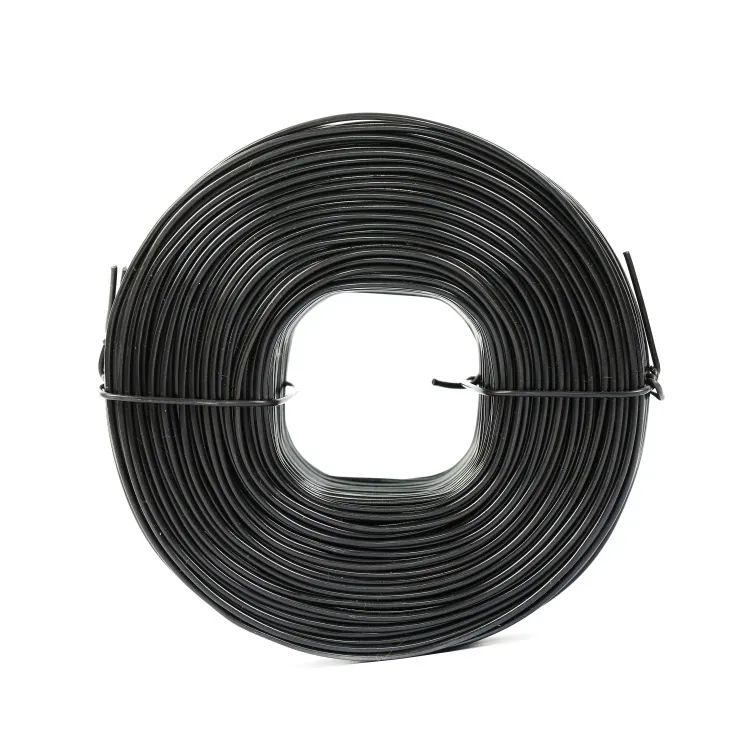
At Hebei Leeter Import and Export Co., Ltd, we have exported rebar tie wire and related wire products from Dingzhou, Hebei since 2006, mostly to buyers in North America and Europe. This guide explains how bulk ordering really works from the factory side, so you can plan quantities, budget freight, and avoid the surprises that catch first-time importers.
What is the typical MOQ for tie wire?
MOQ for tie wire is not a single fixed number. It depends on whether you want a stocked gauge and finish or a custom specification. Below is how most manufacturers, including us, structure it.
For stocked items such as 16-gauge and 18-gauge black annealed wire, the practical MOQ often starts at one pallet, which might be several hundred kilograms. This lets smaller distributors and contractors test a supplier without committing to a full container. The trade-off is that per-ton pricing at pallet volume is noticeably higher than container pricing, because packing, handling, and freight cost per unit go up when you ship less.
For custom work, the MOQ rises. Custom means a specific tensile range, a special coil weight, private-label spools, printed wrapping, or a non-standard finish such as PVC coating or hot-dip galvanizing at a particular coating weight. Because we set up the line specifically for your run, we need enough volume to justify the changeover. Custom MOQ commonly begins around one to three tons per specification and often makes more sense at container scale anyway.
Here is a simplified view of how order size and pricing typically relate. Treat these as structural tiers, not a price list, because raw steel prices move weekly.
| Order tier | Typical quantity | Pricing level | Best fit |
|---|---|---|---|
| Sample / trial | 1 pallet | Highest per ton | Quality testing, new supplier vetting |
| LCL (less than container) | 1 pallet to a few tons | High per ton | Small distributors, mixed loads |
| Half container | Roughly 8 to 12 tons | Mid per ton | Regional resellers |
| Full container (20ft) | Up to about 25 tons | Low per ton | Wholesale, project supply |
| Full container (40ft) | Volume-limited, weight-capped | Lowest per ton | High-volume importers |
The pattern is consistent: the closer you get to filling a container, the lower your landed cost per ton. That is why serious wholesale tie wire buyers plan around container fill rather than piece count.
Why does the container load drive pricing?
A tie wire container load is the real unit of bulk pricing because ocean freight is charged per container, not per kilogram. Whether you ship 15 tons or 25 tons in the same 20-foot box, the freight bill barely changes. So every ton you leave out of the container raises the freight cost carried by the tons that are inside.
Tie wire is a dense, heavy product. This matters because a 20-foot container will almost always hit its weight limit long before it runs out of space. In practice, a standard 20-foot container maxes out somewhere around 25 tons of packed wire depending on coil format, pallet weight, and the carrier's cargo weight limit for that lane. A 40-foot container gives you more floor space but the same weight ceiling applies, so buyers rarely fill a 40-foot box with wire alone unless they are combining it with lighter mesh or accessories.
Because wire is weight-limited, the smart move is to optimize toward the container's maximum payload. If your forecast sits between a half and a full container, it is often cheaper per ton to round up to a full load and hold the extra stock than to ship two half-containers over two months. We help buyers run this math before they commit, since it directly changes the quote.
Packing format also affects how much fits. Coils on pallets stack and secure well and load fast, but pallets add tare weight. Loose coils or spools packed tight can raise net product weight per container but take longer to load and unload. When you request a quote, tell us your unloading setup, forklift or manual, so we can recommend the packing that lowers your total cost, not just ours.
How long does bulk tie wire take to produce and ship?
Lead time for bulk tie wire splits into two very different cases: stocked and custom. Understanding the split keeps your project schedule honest.
Standard stocked gauges in common finishes can often be ready to load within one to two weeks after the deposit clears, because the wire already exists or needs only cutting, coiling, and packing. This is the fast path, and it is why keeping to standard specifications saves both money and time.
Custom orders take longer. Drawing wire to a specific tensile spec, applying PVC or galvanized coating to a target thickness, or producing private-label spools with printed packaging adds production steps and setup. Realistic custom lead times generally run three to five weeks from confirmed artwork and specification, sometimes longer during peak season around large infrastructure buying cycles. Add ocean transit on top: transit to the US and Canada from north China ports commonly runs several weeks, and Europe similar, before port clearance and inland delivery.
A short worked timeline helps set expectations for a custom container:
- Order confirmation and deposit: day 0
- Raw material and setup: days 1 to 7
- Production and coating: days 7 to 25
- Packing, inspection, loading: days 25 to 30
- Ocean transit: several weeks after departure
- Port clearance and inland haul: buyer's local timeline
The honest takeaway is to place bulk orders well ahead of your on-site need date. Buyers who order the week they run out end up paying for air freight or accepting whatever is in stock, which defeats the purpose of buying in bulk.
What should you confirm before placing a bulk order?
Before you buy tie wire in bulk, lock down the specification and commercial terms in writing. Vague purchase orders are where disputes start, and a clear spec sheet protects both sides. The details below are the ones that most often cause problems when left loose.
Product specification
Confirm the wire gauge in your local standard, the finish, and the expected tensile or softness. Black annealed wire for hand tying should be soft enough to twist cleanly; wire that is too hard snaps and slows crews. State coil or spool weight, inner diameter if your tools need it, and whether you require wire compatible with automatic tying tools, which demand tighter tolerances. If you use battery tie guns, name the tool model so we match the correct wire.
Packing and labeling
Specify coil weight, pallet configuration, moisture protection, and any labeling or barcodes your warehouse scans. Wire rusts if packing lets in humidity during a long ocean crossing, so waterproof wrapping and desiccant matter for coastal and tropical routes. If you resell under your own brand, confirm the private-label artwork and language before production, not after.
Commercial terms
Agree on Incoterms clearly. FOB puts ocean freight and insurance on you; CIF or CFR puts more on us. Confirm payment terms, inspection rights, and who handles customs. First-time buyers should consider a third-party inspection before loading, especially on a first container, so quality is verified while the goods are still at the factory.
Getting these three areas right turns a risky first import into a repeatable supply relationship. It is ordinary diligence, but it is the diligence that separates smooth container programs from expensive lessons.
How do you keep bulk tie wire quality consistent?
Consistency across repeat container loads comes from a fixed, documented specification and a supplier who runs incoming and outgoing checks. When the spec is written once and referenced on every order, each container matches the last, which is what large resellers and project buyers actually need.
Ask your supplier how they control raw material and finished wire. We check rod source, monitor annealing and coating, and verify diameter and finish before packing, because a rejected container after it lands is far costlier than catching a problem on the plant floor. Reorder consistency is also a supplier-relationship benefit: once we have produced your exact wire, we keep the parameters on file, so your second and third orders match the first without re-explaining everything.
For buyers planning a long program, a rolling forecast helps. If you tell us your expected quarterly volume, we can plan raw material and hold production slots, which shortens lead time and stabilizes pricing across the year even when the underlying steel market moves.
Frequently asked questions
Can I mix tie wire gauges in one container?
Yes. Mixing gauges and finishes in a single container is common and often smart, since it lets you fill to the weight limit while carrying the assortment your customers need. Just confirm each specification separately on the packing list so warehouse receiving can verify what arrived against what was ordered.
Is it cheaper to buy a full container than a half?
Per ton, a full container is almost always cheaper than a half, because ocean freight is charged per box rather than per ton. If your forecast is close to a full load, rounding up and holding the extra stock usually beats shipping two smaller lots. We can model both options in your quote so you decide with real numbers.
What is the smallest quantity I can order to test quality?
For stocked gauges we can often supply a trial pallet so you can verify softness, coating, and packing before committing to a container. Trial pricing per ton is higher, but it is the responsible way to vet a new supplier. Many buyers run one trial pallet, then move to full containers once the wire checks out.
How much tie wire fits in a 20-foot container?
Because tie wire is dense, a 20-foot container usually reaches its weight limit around 25 tons before it runs out of floor space, depending on coil format and pallet weight. A 40-foot container adds space but shares the same weight ceiling, so wire buyers rarely need the larger box unless combining with lighter products.
Do you offer private-label and custom finishes in bulk?
Yes. We produce private-label spools, printed packaging, and custom finishes such as PVC coating and galvanizing at container scale. Custom work needs a confirmed specification and artwork up front and carries a longer lead time than stocked items, generally three to five weeks of production before ocean transit.
Ready to plan your first or next container? Send your target gauge, finish, and volume and request a quote. We will run the container math with you, recommend the packing that lowers your landed cost, and confirm a realistic timeline before you commit a single dollar.
