Why the fastener choice matters more than people think
The point of tying rebar is not to make the finished structure stronger. Concrete and steel carry the loads once the pour cures. The tie only has one job during construction: hold each bar in the correct position so the reinforcement ends up where the engineer designed it. If bars shift during concrete placement, cover depth changes, spacing drifts, and the whole assembly can fail inspection.
That is why the conversation is really about installation performance, not final strength. A good fastener resists the shove of a concrete hose, the weight of workers walking the mat, and the vibration of a poker vibrator. It also has to survive weather if the cage sits out for days before the pour. Every option below is judged against those practical demands.
What is steel tie wire and why is it the standard?
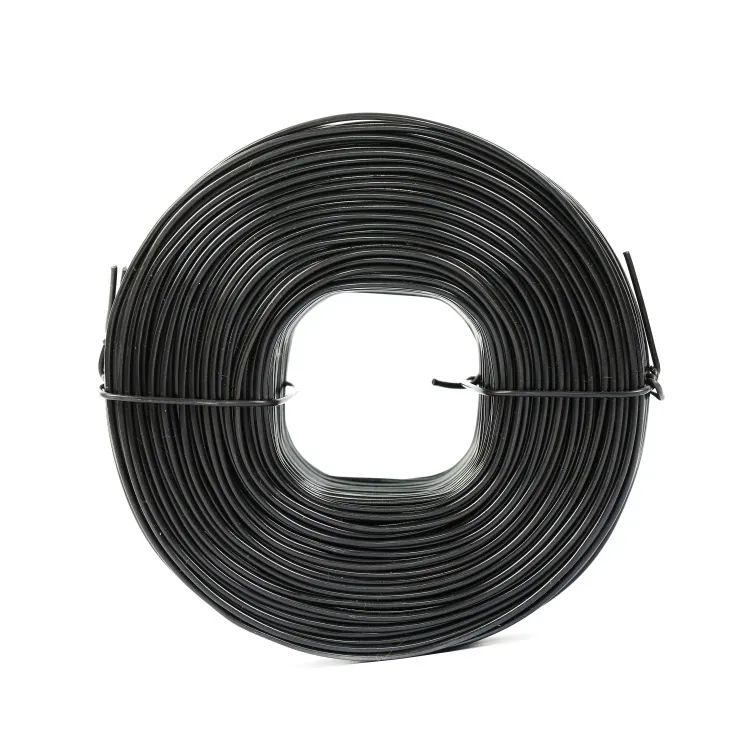
Steel tie wire is soft annealed low-carbon wire, usually 16 to 16.5 gauge, twisted around two crossing bars to lock them together. Black annealed wire and PVC-coated wire are the common finishes, and both are used worldwide on structural reinforcement. It is the default because it holds firmly, tolerates heat and UV, and is universally recognized by inspectors.
The strength comes from the twist. When a worker crosses the wire and spins it with a tool or a battery-powered tie gun, the wire deforms and grips the bar intersection tightly. A properly formed double loop bar ties connection resists both pulling apart and rotating, which is exactly what you want when a concrete slug hits the cage at speed.
Hand tying vs power tying
Hand tying with pliers or a twister is cheap and reliable but slow, and it wears on the wrist over a long day. Battery tie guns changed the math on large decks and walls. They wrap and twist a consistent tie in a fraction of a second, cut fatigue, and keep tension uniform across thousands of intersections. The trade-off is tool cost and the need to buy pre-spooled wire made for the gun.
Whichever method a crew picks, the underlying rebar tie wire is the same soft steel, chosen for its ductility so it twists without snapping.
Are plastic cable ties (zip ties) allowed on rebar?
Plastic cable ties, often called rebar zip ties, are nylon straps with a ratchet head that snaps shut around a bar intersection. They install fast and require no twisting skill, which makes them attractive for light or nonstructural work. The catch is that acceptance depends entirely on the engineer of record and the local building official, and many structural applications do not permit them.
Nylon has real weaknesses in this setting. It loses strength in sustained sunlight unless it is UV-stabilized, it can become brittle in cold, and it does not grip as forcefully as a twisted steel tie under a moving concrete load. On heavy mats where vibration and hose pressure are severe, a plastic tie is more likely to pop or slip than a steel tie. That is not a slight against nylon, it is simply the wrong tool for high-demand structural cages.
Where do zip ties make sense? Small residential footings, garden and landscape reinforcement, temporary tacking before a proper tie, and projects where the specification explicitly allows them. Always confirm in writing before you commit a whole job to plastic.
Coated wire is not the same as plastic ties
People sometimes confuse PVC-coated tie wire with plastic cable ties. They are different products. Coated tie wire is still a steel core that twists and grips like any annealed wire, with a plastic jacket added for corrosion resistance or a clean appearance on exposed work. It behaves like steel tie wire, not like a nylon strap.
When are rebar clips the right choice?
Rebar clips are preformed metal or plastic fasteners that snap over intersecting bars or wires without any twisting. They shine in repetitive, controlled settings such as welded wire mesh assembly, precast yards, and modular cage preassembly where speed and consistency matter and conditions are predictable.
Clips work best when bar sizes and spacing are uniform, because each clip is sized for a specific intersection. On a precast bench producing the same panel all day, clips can beat both wire and zip ties on labor. On a variable cast-in-place job with mixed bar sizes and awkward angles, clips lose their advantage fast because you need many sizes and they do not adapt to odd geometry the way wire does.
Think of clips as a specialist. They are excellent inside their lane and awkward outside it. For general field tying across changing conditions, steel wire stays the most flexible option.
How do the three options compare on the factors that matter?
Across strength, speed, durability, cost, and code acceptance, steel tie wire leads on reliability and recognition, cable ties lead on raw installation speed for light work, and clips lead on repetitive mesh assembly. No single option wins every category, which is why experienced crews keep more than one on hand. The table below summarizes the practical trade-offs.
| Factor | Steel tie wire | Plastic cable ties (zip ties) | Rebar clips |
|---|---|---|---|
| Holding strength | High, twist grips firmly under load | Low to moderate, can slip or pop | Moderate, good on matched intersections |
| Installation speed | Moderate by hand, fast with a tie gun | Fast, no skill needed | Fast on uniform, repetitive work |
| Durability outdoors | Strong, tolerates UV and heat | Weak unless UV-stabilized, brittle in cold | Varies by material |
| Adaptability to bar sizes | Excellent, fits any intersection | Good, within strap length | Poor, each clip is size-specific |
| Cost per tie | Low material cost | Low to moderate | Moderate to high |
| Typical code acceptance | Widely accepted for structural work | Limited, needs explicit approval | Application-specific |
Use this as a starting point, not a rulebook. Your specification and inspector always outrank a general chart.
What does each option really cost?
Raw tie wire is inexpensive per foot, and because a spool ties thousands of intersections, the material cost per tie is very low. The larger cost is labor, which is where power tie guns earn their keep on big pours by cutting tie time and worker fatigue. On a large deck, faster tying can save more in labor than the tool and consumables cost.
Cable ties carry a higher per-unit price than a length of wire, and quality UV-rated ties cost more than bargain nylon. They can still pencil out on small jobs where speed and simplicity beat labor savings. Clips sit at the higher end per fastener but can win on labor in a controlled precast setting where the same intersection repeats all day. The honest answer is that total cost depends on job size, labor rate, and whether the setting is repetitive or variable.
Which fastener passes inspection?
Steel tie wire is the fastener inspectors expect to see on structural reinforcement, and it rarely raises questions on cast-in-place foundations, slabs, walls, and decks. Cable ties and clips can be acceptable, but only when the project documents and the local authority allow them. The safe path is to read the spec and ask before you buy in bulk.
Codes and standards focus on the finished reinforcement being secure and correctly positioned, not on prescribing one brand of fastener for every case. That gives some flexibility, yet it also puts the burden on you to confirm that your chosen method meets the engineer's intent. When in doubt, default to steel wire, because it is the least likely to trigger a rejected inspection or a costly retie.
How to choose for your project
Match the tool to the demand. For structural cast-in-place work exposed to hose pressure, vibration, and weather, choose steel tie wire and consider a tie gun if the volume is high. For small nonstructural jobs where the spec allows them, UV-rated cable ties can save time. For repetitive mesh or precast assembly with uniform intersections, evaluate clips against your labor rate.
If you serve varied jobs, keep steel tie wire as your baseline and add the others only where they clearly earn their place. That approach keeps you compliant, keeps cages tight, and avoids the headache of a fastener failing under a pour.
Need help selecting or sourcing the right product for your next project? Request a quote and our team can recommend a gauge, coating, and packaging that fit your equipment and specification.
Frequently asked questions
Can I use zip ties instead of tie wire on rebar?
Sometimes, but only when the engineer of record and local building official allow it. Zip ties suit small nonstructural work like residential footings or landscape reinforcement. For structural cages exposed to concrete hose pressure and vibration, steel tie wire is the safer, widely accepted choice. Always confirm acceptance in your project documents first.
What gauge tie wire is best for rebar?
Most rebar tying uses 16 or 16.5 gauge soft annealed wire, which balances strength and easy twisting. Heavier work may use a slightly thicker wire, while battery tie guns use pre-spooled wire made for the tool. The right choice depends on bar size, tying method, and whether you tie by hand or with a gun.
Do cable ties degrade in sunlight?
Standard nylon cable ties can lose strength and become brittle after prolonged UV exposure, and cold weather makes them more fragile. UV-stabilized ties resist this far better. If a cage will sit outdoors for days before the pour, steel tie wire tolerates sun and heat more reliably, which is one reason it dominates structural field work.
Are rebar clips faster than tie wire?
Clips can be faster than hand tying on repetitive, uniform intersections such as precast panels or welded mesh assembly. They lose that edge on variable cast-in-place work with mixed bar sizes, because each clip is size-specific. A battery tie gun often matches or beats clips on general field tying while staying adaptable to any intersection.
Does tie wire add strength to the concrete?
No. The tie only holds bars in position during construction so the reinforcement ends up where the engineer designed it. Once concrete cures, the steel and concrete carry the loads together. A good tie matters because shifted bars change cover and spacing, which can fail inspection, not because the wire itself reinforces the slab.
Still weighing tie wire vs cable ties for an upcoming pour? Contact our team for product guidance, samples, and export pricing tailored to your job.
